
HISTORY OF THE SITE

From a place in the country to a place dedicated to Europe
Local archives, inventories and a number of historical studies can be used to trace the history of the site.
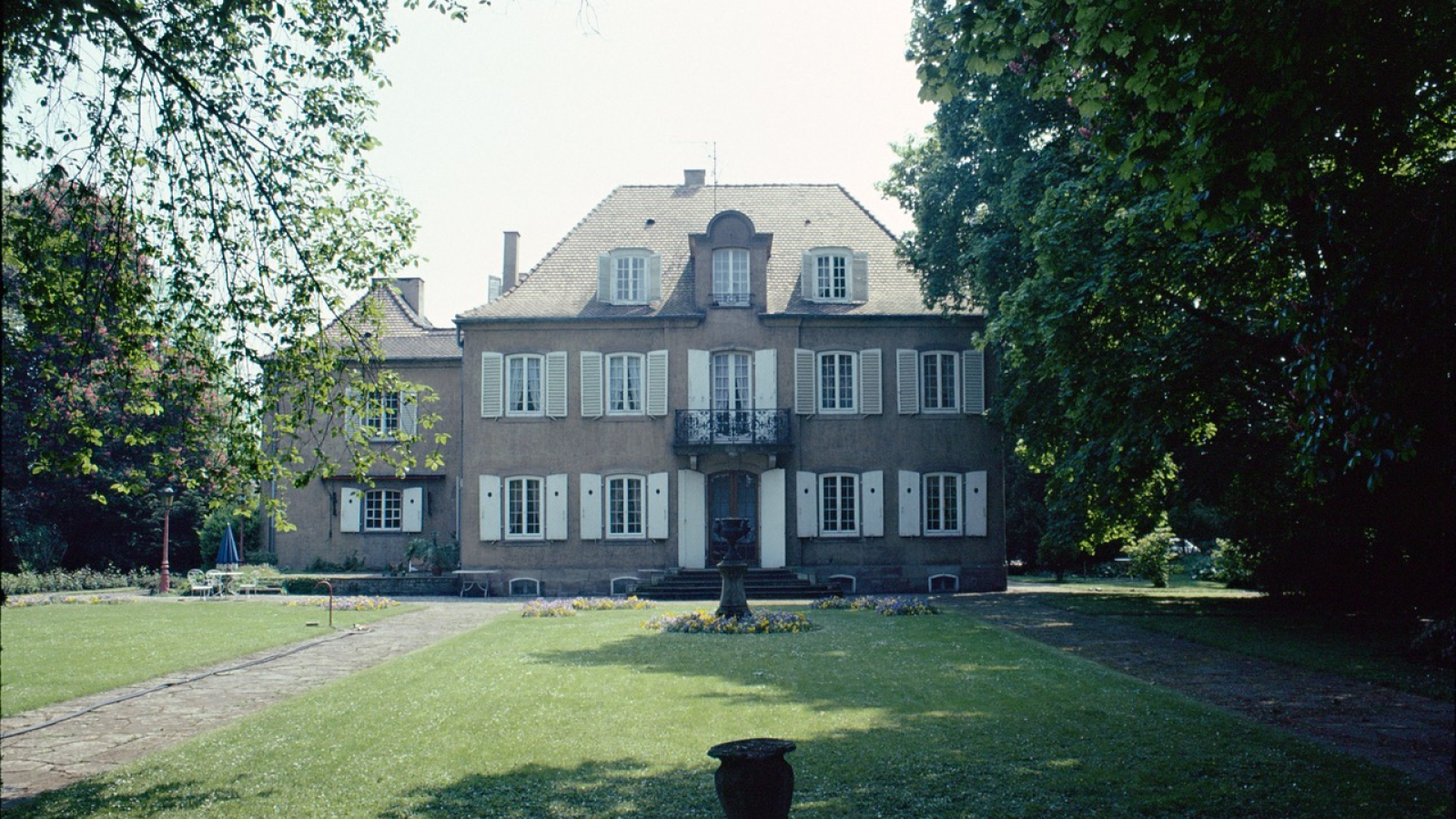
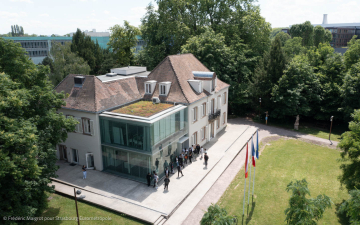
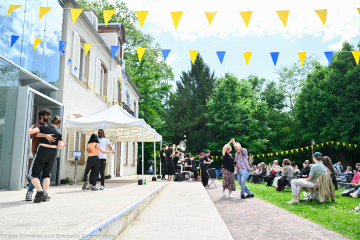
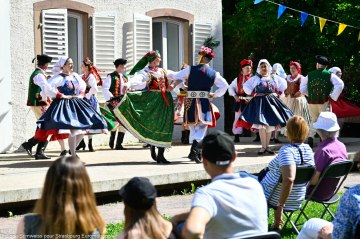
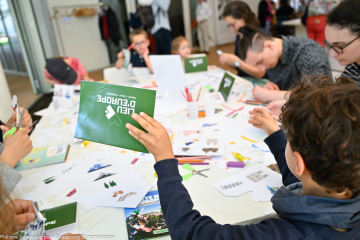
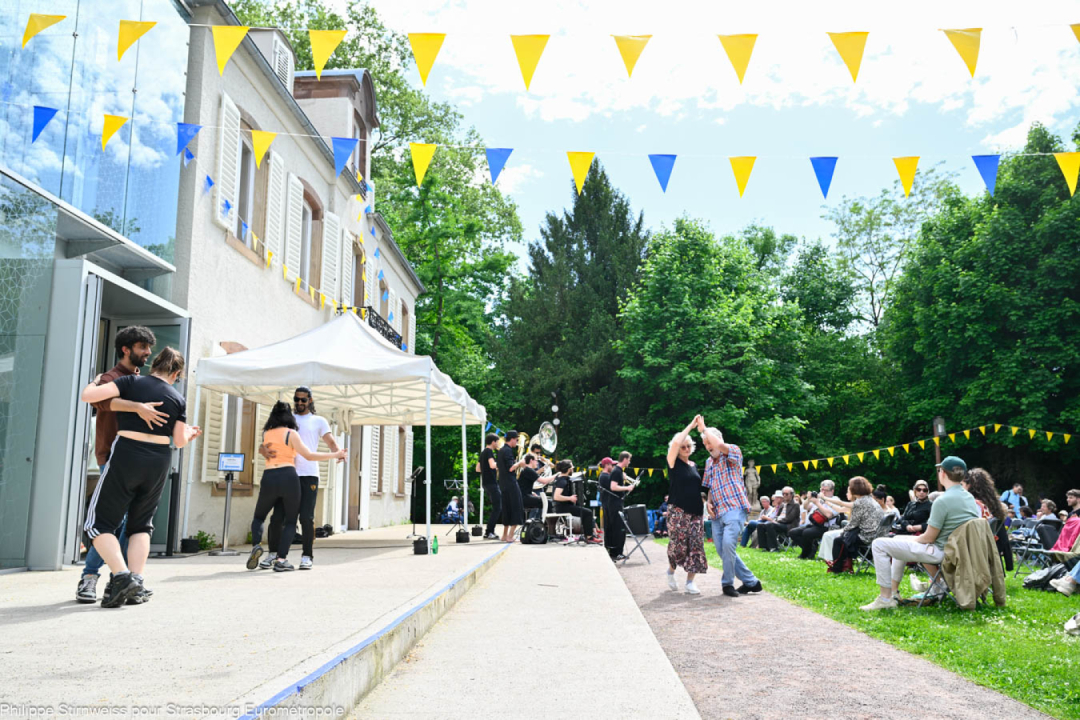
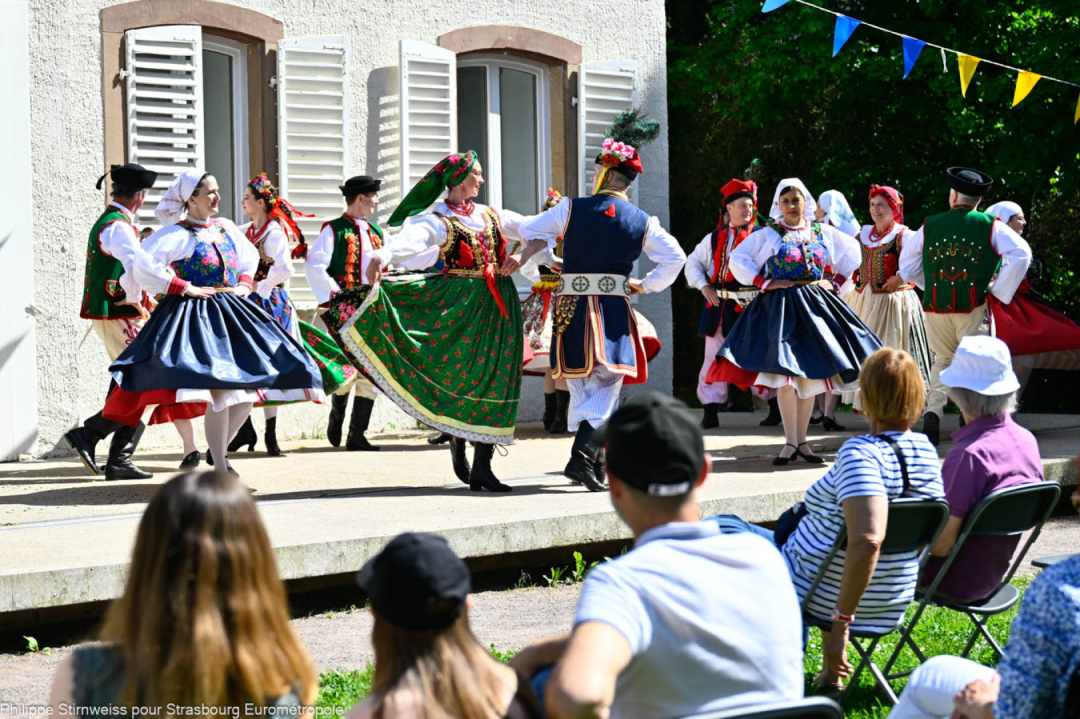
During the 13th century, the village of Robertsau attracted local and Strasbourg notables who set up their “country residences” there. In 1784, there were 45. Originally a farming village, the estate was transformed by its successive owners as its use changed, and its name was also changed several times. Acquired by the City of Strasbourg in 1926, it became the Lieu d’Europe in 2014. The institution is dedicated to the history of European integration, promoting Strasbourg as the capital of Europe and offering a varied cultural programme to help visitors discover the wealth and diversity of European culture.
1751-1829: The origins of the Turckheim estate
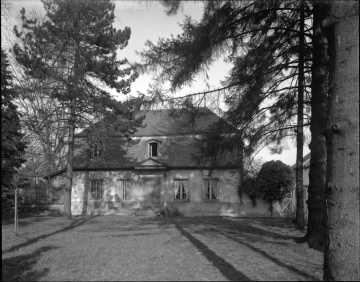
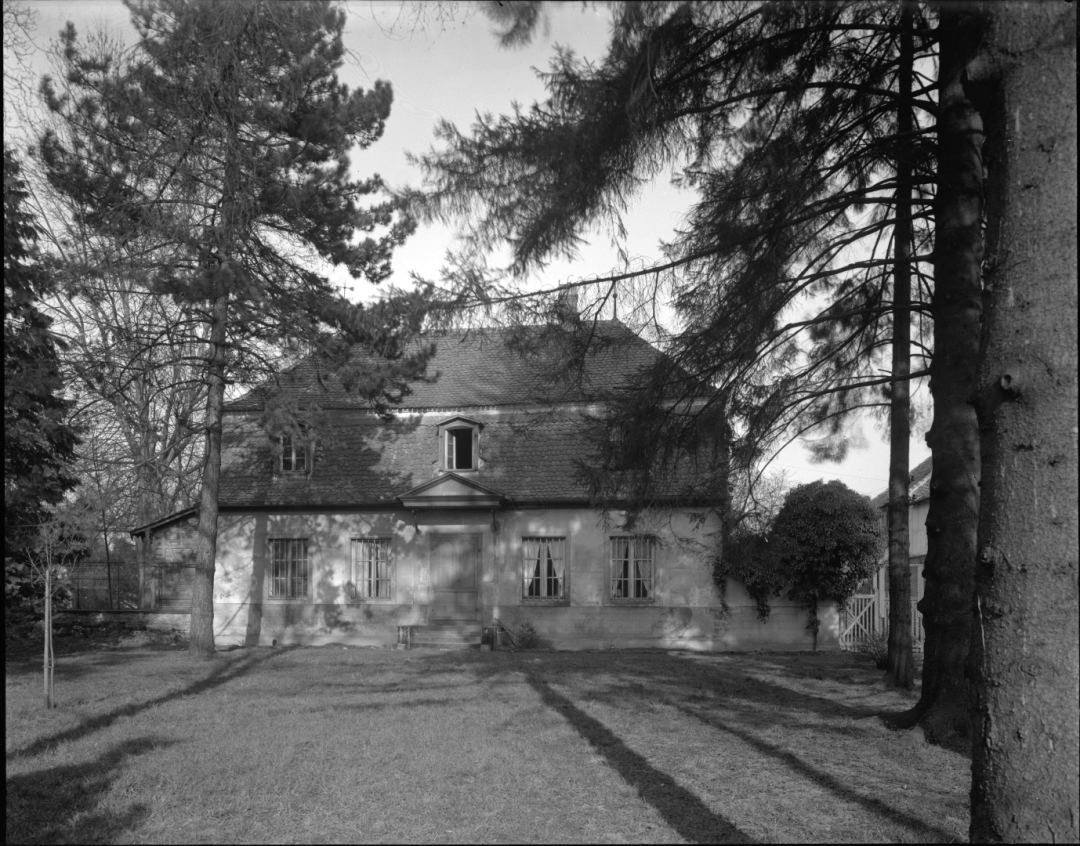
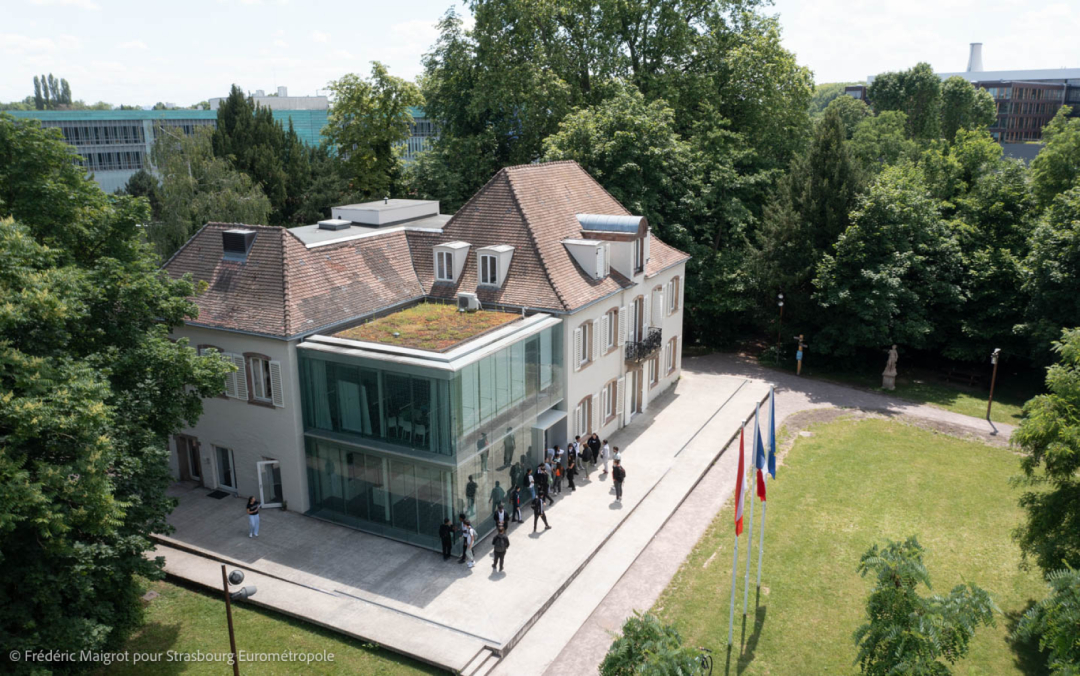
In 1751, Jean IV de Turckheim, a banker, acquired the estate from Jean-Louis Beyerlé, King’s Councillor and Director of the Strasbourg Mint. At that time, the estate consisted of a manor house, outbuildings, well, farm and gardens. The current villa was built around 1754. The Turckheim descendants, who kept the property for 78 years, built the dairy, the pheasantry and the large gateway on Allée Kastner.

1829-1891: Extensions and new buildings
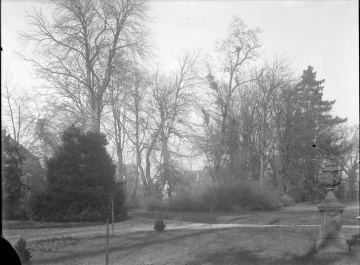
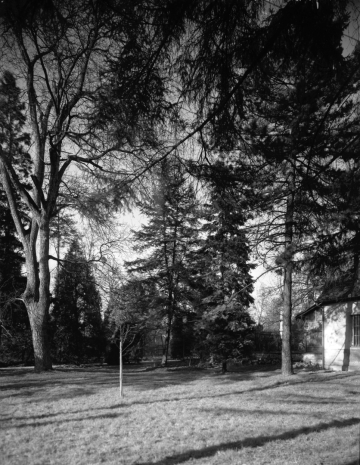
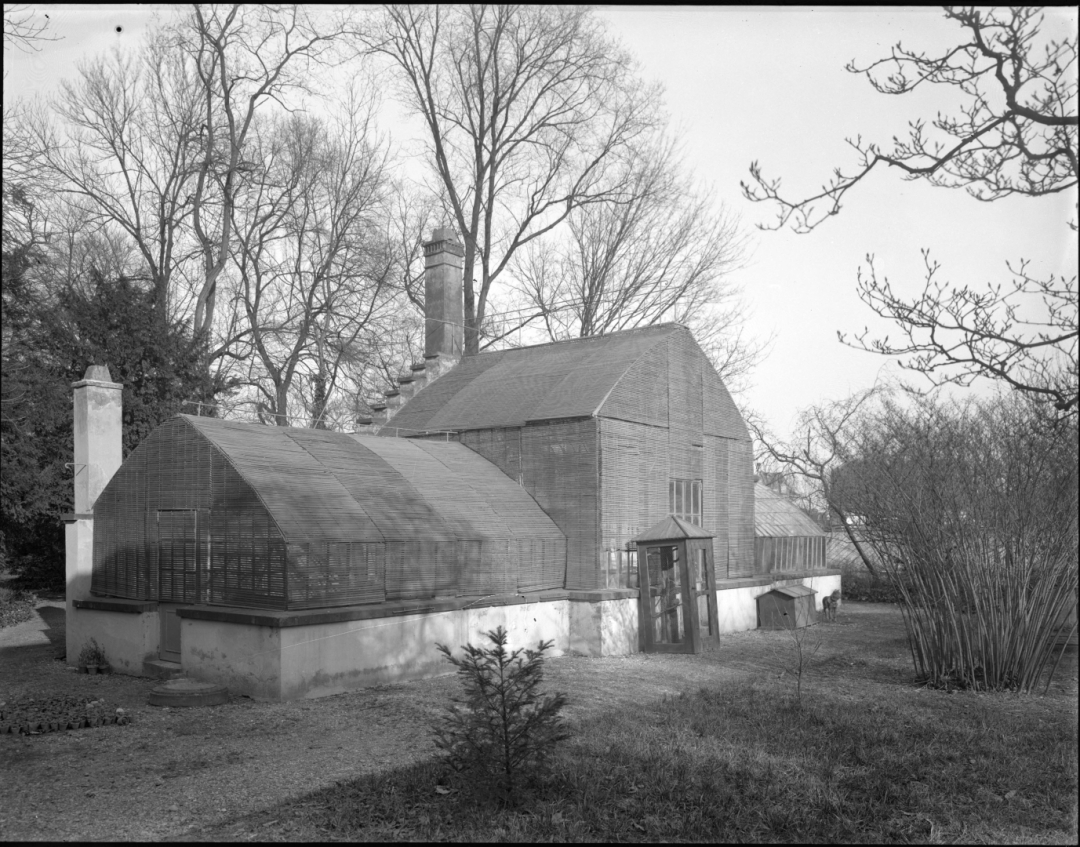
Pharmacist Louis Hecht owned the property until 1857. He enlarged the park and built a small greenhouse, known as the Orangery.
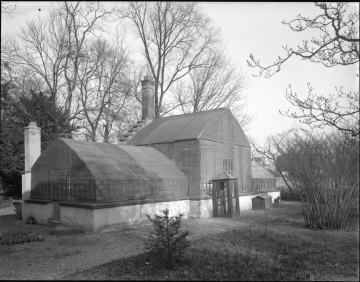
The large metal greenhouse was built after 1860.
1891-1926: The Kaysersguet
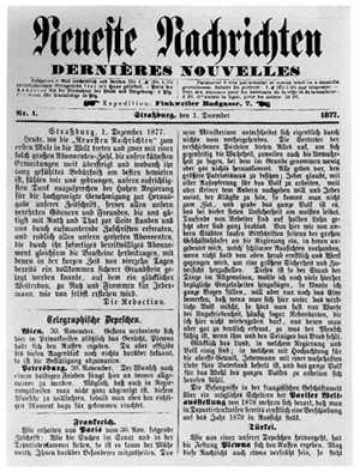
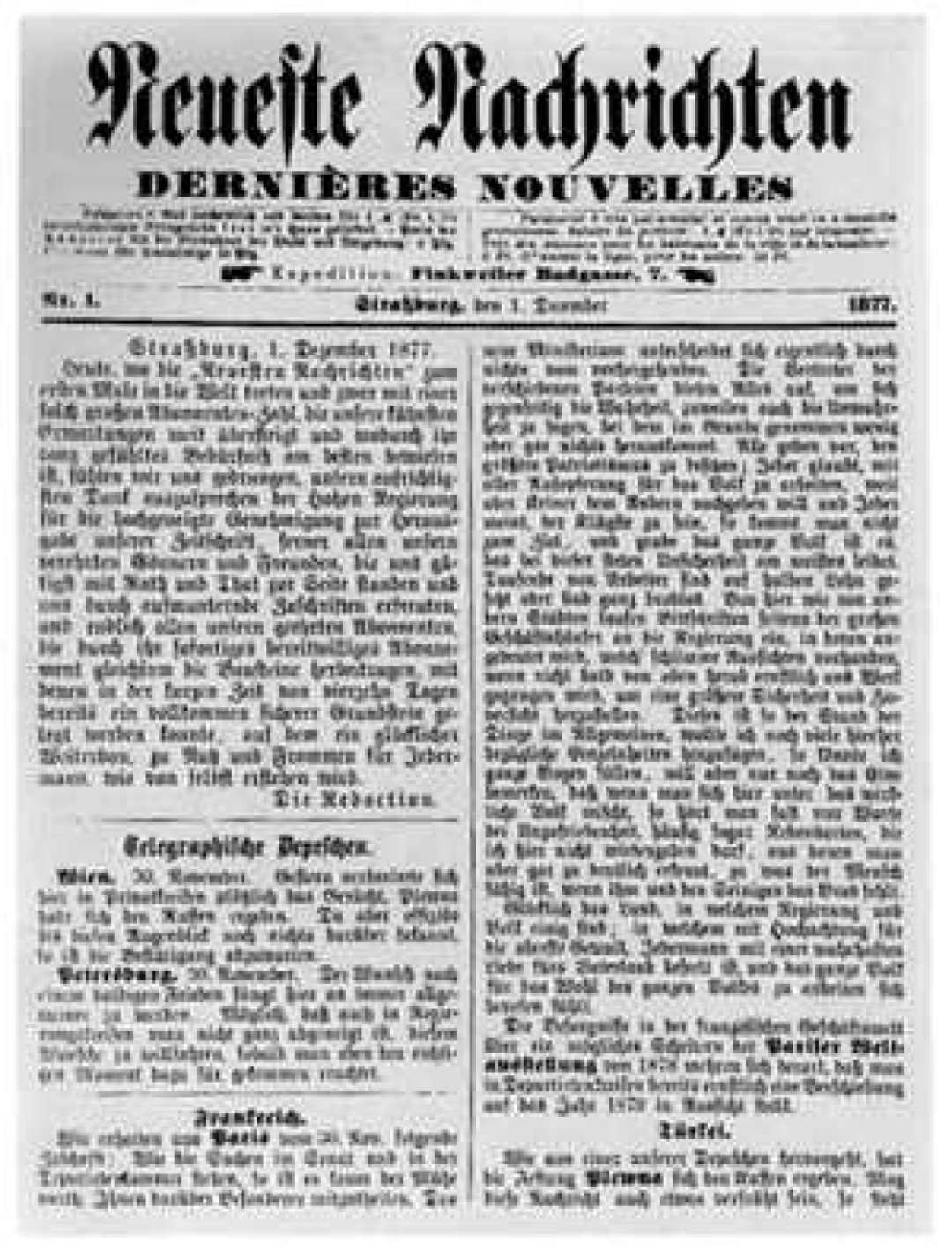
We owe the current name of Kaysersguet to Heinrich Ludwig Kayser, founder of the Strassburger Neueste Nachrichtende newspaper (forerunner of the Dernières Nouvelles d’Alsace), who acquired the estate in 1891. In 1921, his widow Louise Klein had a deed drawn up in which she stated that she wanted to donate the property to the City of Strasbourg after her death.

1927: Domain inventory
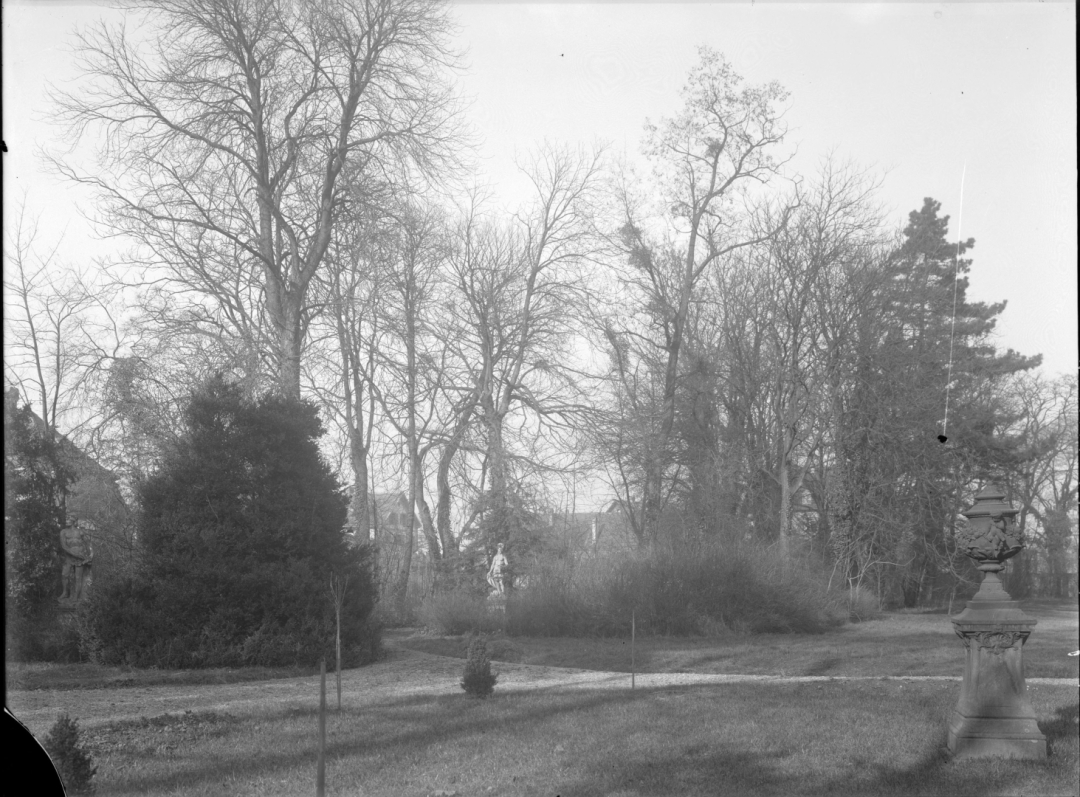
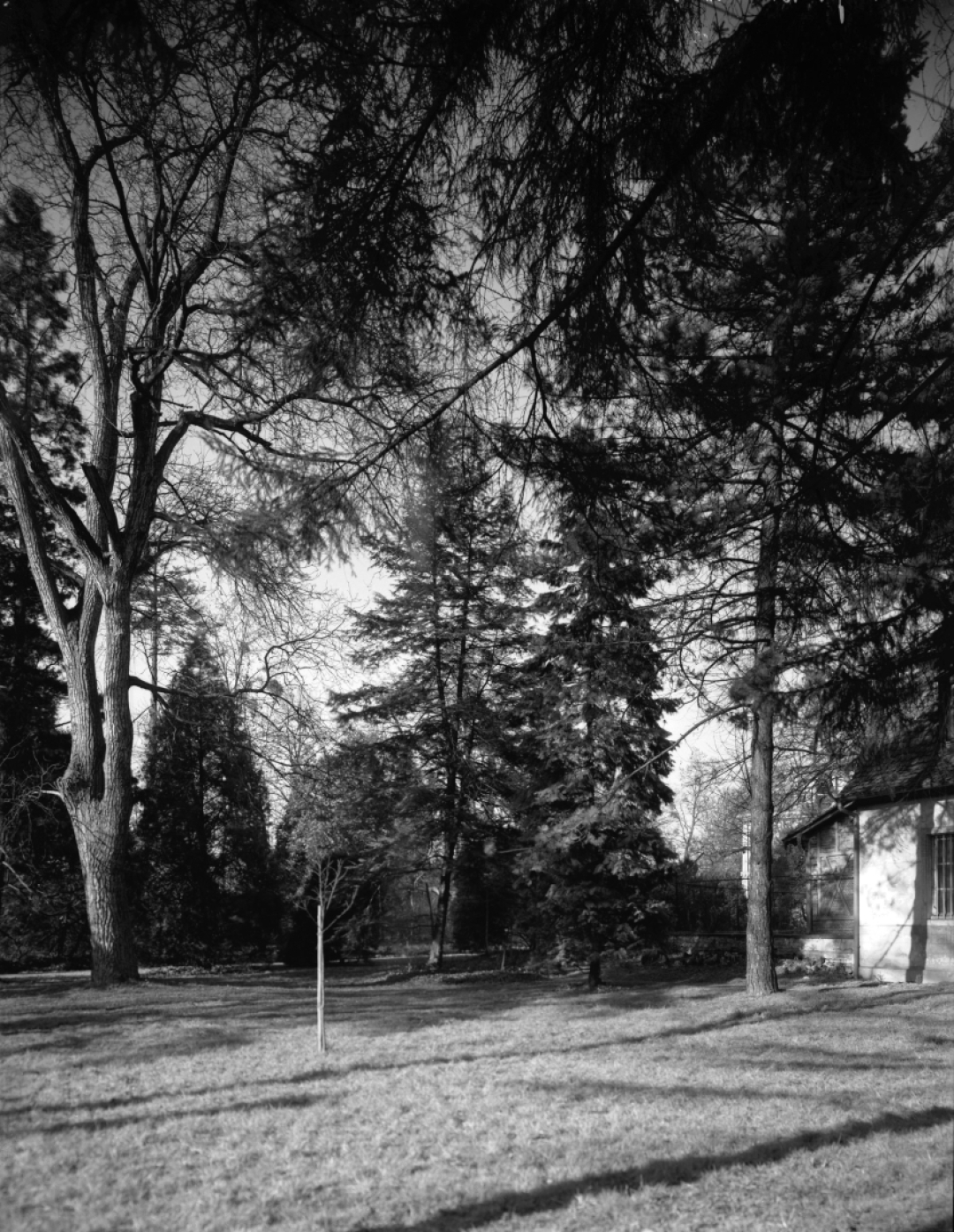
Having become the owner in January 1926, the city commissioned a complete inventory of the estate, which was overseen by Hans Haug, curator of Strasbourg’s museums.
The façade of the villa had retained its original character, reflecting the architecture in vogue in Strasbourg in the18th century, in particular the sandstone quoins and segmental-arched windows. The balcony and balustrade were added in the19th century.
1940-1945: The Second World War
The villa was unoccupied from 1926, and was taken over by the Nazi Oberstadtkommissar Robert Ernst in 1941. A side wing was added and the original façade was rendered.
When Strasbourg was liberated on 23 November 1944, fighting broke out in the park. Between June and September 1945, the villa provided accommodation for around forty American soldiers.

1945-2006: A venue for Strasbourg’s elite
The villa was occupied by a number of prominent figures, including the town’s architect Henri Jung and Paul Wach, former senator for the Bas-Rhin region. Paul Wach was very committed to European integration, represented France at the Parliamentary Assembly of the Council of Europe (1959-1968). After his death in 1974, his family stayed on the estate until 2006. This explains why the villa is sometimes called Villa Wach.
2006: The arrival of the tram in Robertsau
As part of the work to extend tram line E, the villa’s park was reduced to make room for the Boecklin tram. The Dairy was relocated and railings partially replaced the surrounding wall.
2014: The creation of Lieu d’Europe
In the 1980s, the idea of a place dedicated to the promotion of Europe and Strasbourg’s special place in the history of European integration gained ground, both among the general public and political decision-makers.
In 2009, following consultation on the project, the Kaysersguet site was chosen to host the future Lieu d’Europe.
In 2013, following a tender process, the redevelopment and extension of the historic villa was entrusted to the Strasbourg architectural firm Weber & Keiling. The work was funded as part of the “Strasbourg, European Capital” three-year contract.
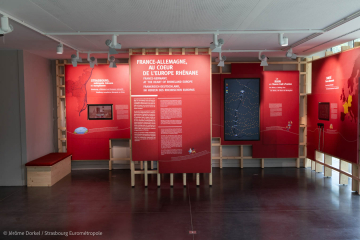
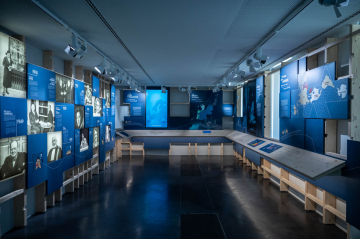
The project included a permanent exhibition and the creation of a conference room named “Espace Daniel Riot” after a journalist who was a specialist in the European Union. Lieu d’Europe is also home to the European Institutions Information Centre (CIIE) and its resource centre.
Lieu d’Europe opened its doors to the public on 3 May 2014.

2021-2022: Restoration of ancient heritage
The Société pour la Conservation des Monuments Historiques d’Alsace and other associations have been working to preserve the park’s heritage features since 2013.
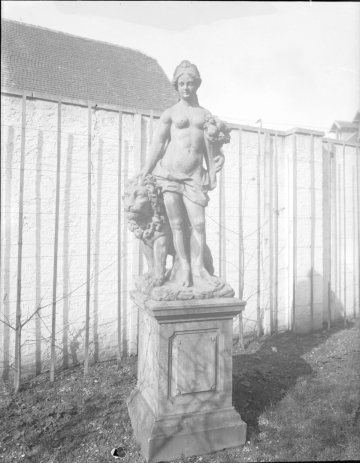
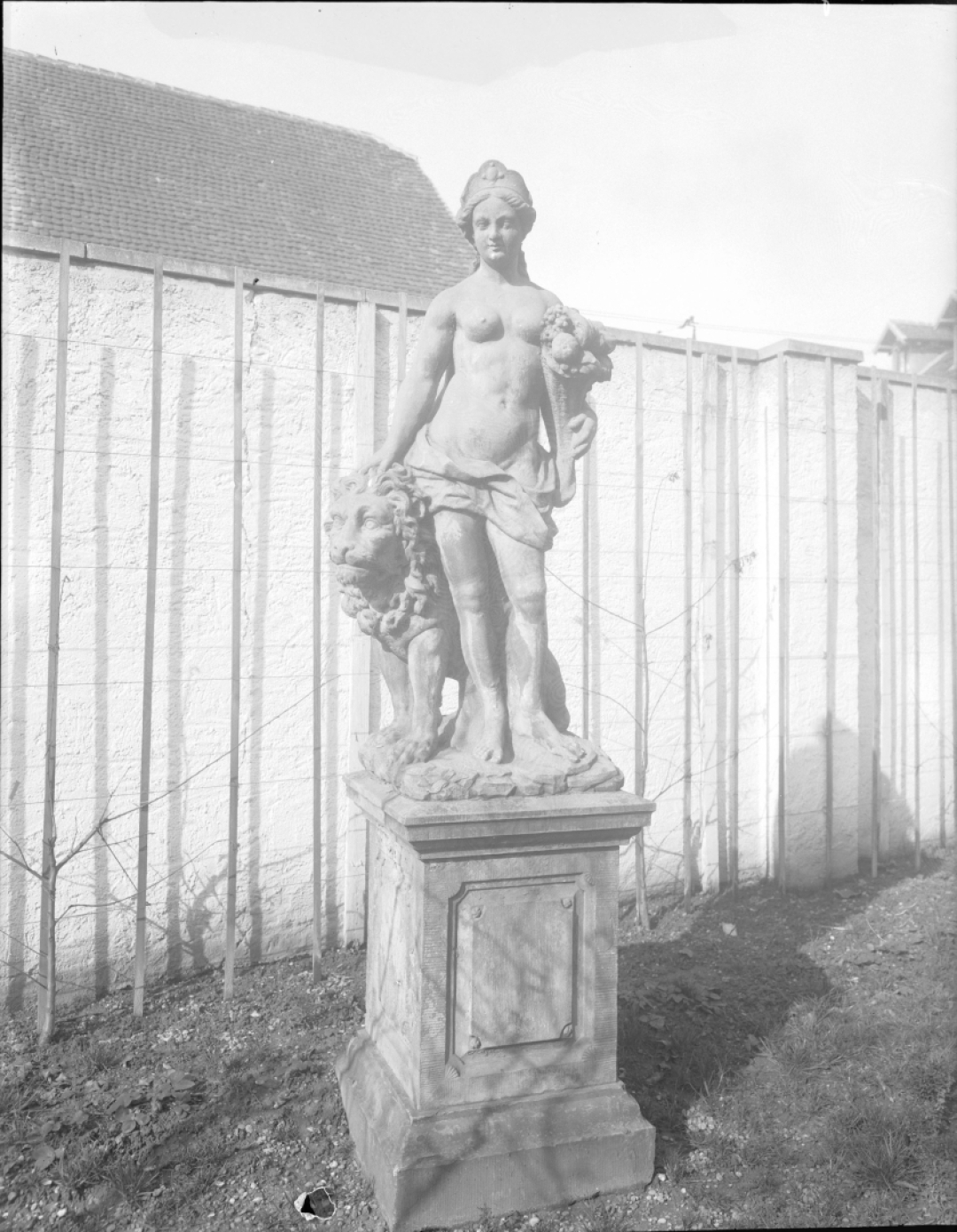
In 2021 the statues were restored and reinstalled in the park, while the large 19th century metal greenhouse was rebuilt in the summer of 2022.
2023-2024: Renovation and extension
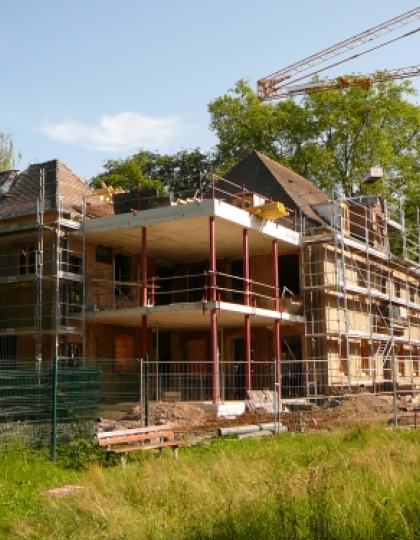
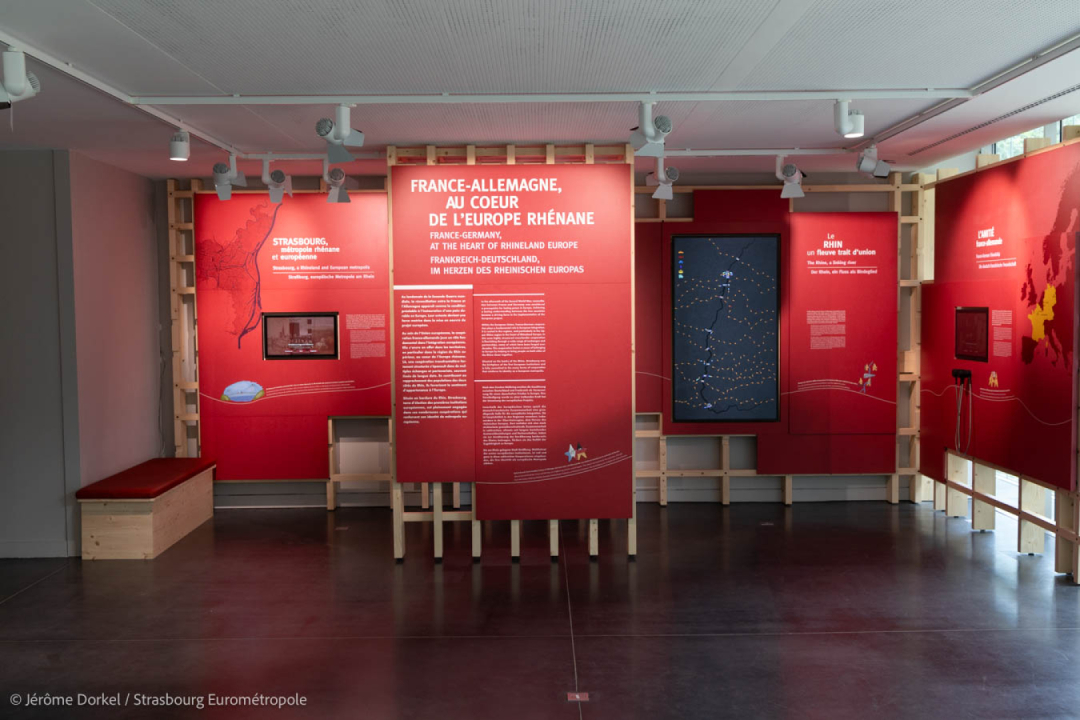
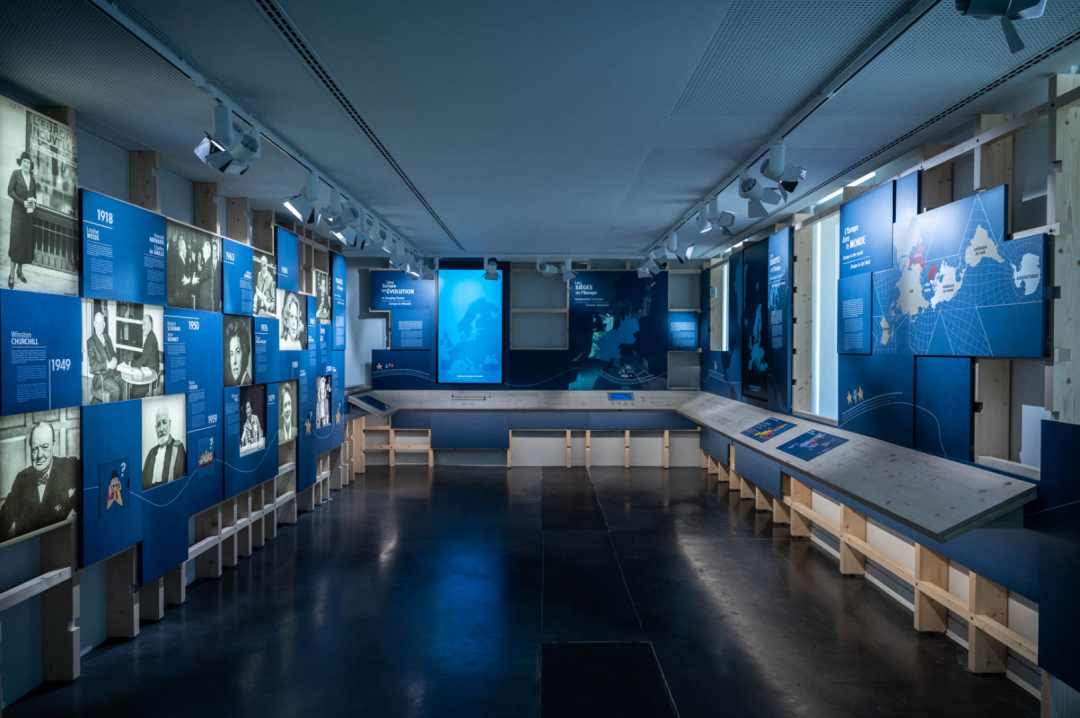
The renovation and extension of Lieu d’Europe was approved by the City Council on 29 April 2019 with funding once again coming from the Three-Year Contract. Works began in summer 2023. The project involves reorganising the ground floor of the villa, redesigning the permanent exhibition, building an extension adjoining the caretaker’s house and creating a new entrance from the Boecklin tramway station.
Rey-De Crécy, an architectural practice based in Strasbourg, oversaw the project. The scenography of the new permanent exhibition was entrusted to the Parisian agency la fabrique créative.
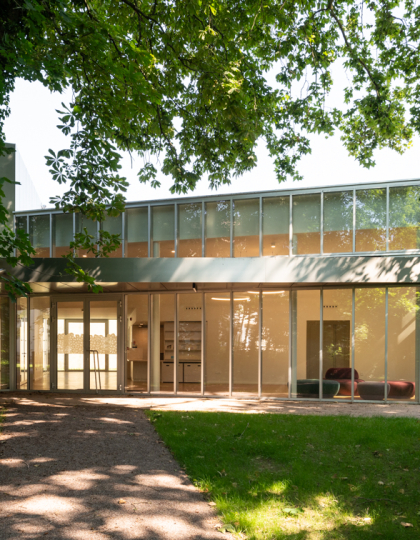
The new Lieu d’Europe was inaugurated on 13 March 2024.
Following a citizens’ consultation organised at the level of the Strasbourg Eurometropolis, the new auditorium has been given the name “Salle Melina Mercouri”, in tribute to the Greek actress and politician who created the European Capitals of Culture.
-
-
-
-
Philippe STIRNWEISS pour Strasbourg Eurométropole -
-
-
-
-
-
Philippe STIRNWEISS pour Strasbourg Eurométropole -
-